


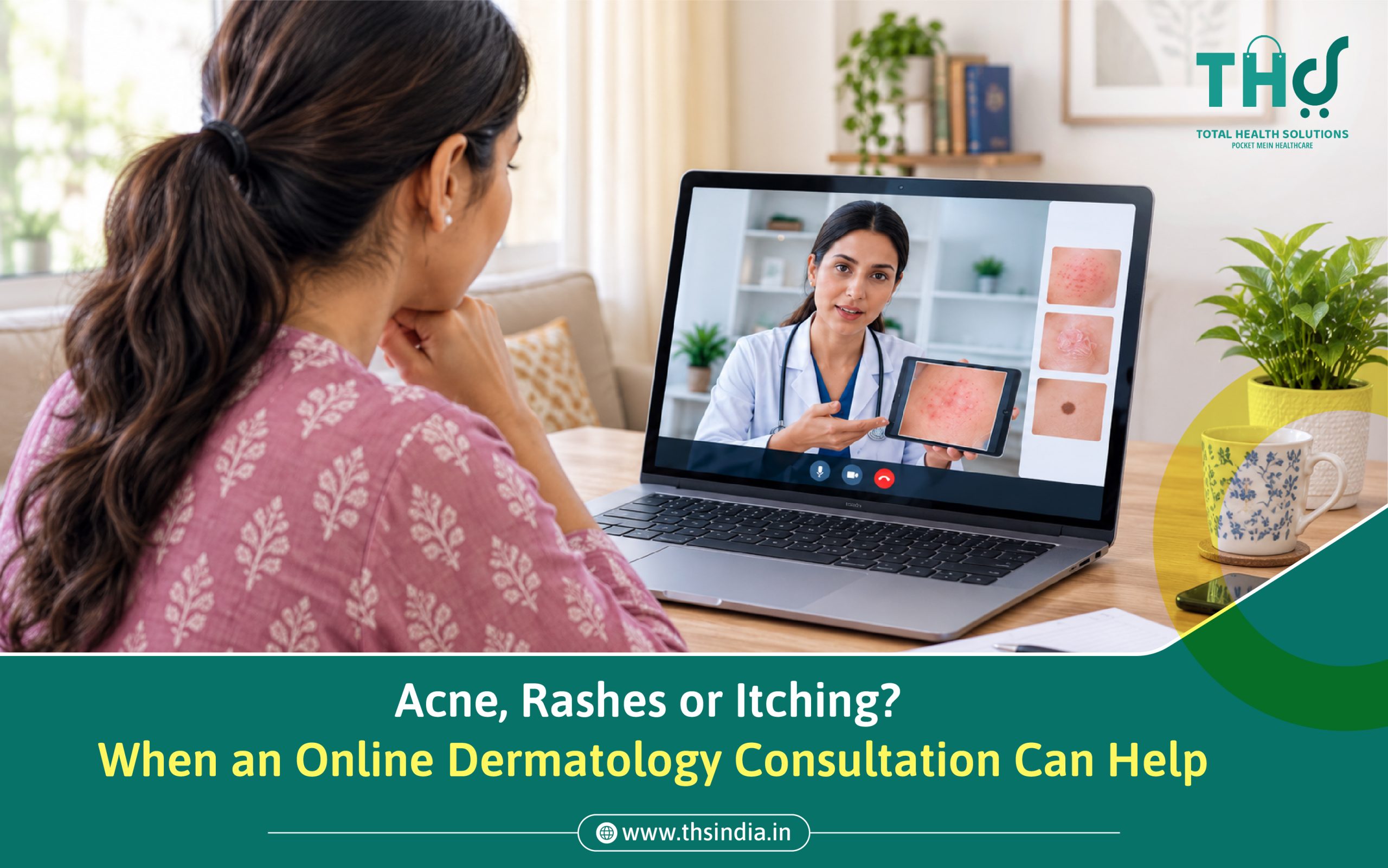
Is acne a recurring problem for your skin? You might have tried different face washes, creams, and skincare products, but those annoying pimples keep coming back. Sometimes, the problem is not just acne. You may also notice itching, redness, or small rashes that appear without any obvious reason. It becomes frustrating when you are trying different products but still don’t know what is causing the problem.
Not every skin concern needs the same treatment. Acne can be related to hormonal changes or excess oil, while itching and rashes may develop because of allergies, infections, or other skin conditions. What works for one person may not work for another. So, before changing your skincare routine again, it helps to understand what your skin is trying to tell you.
Let’s look at a few common situations when speaking with a dermatologist can be helpful.
Acne That Doesn’t Respond to Anything You’ve Tried
You buy an acne cream, use it for a few days, and wait for the pimples to disappear. Sometimes they do, but a few weeks later, the same problem starts again. This is something many people experience, especially when they keep switching between OTC products without knowing what type of acne they have.
Acne can develop for different reasons. Excess oil can block pores, dead skin cells may build up, and hormonal changes can trigger breakouts. Some people also notice more pimples after using certain skincare or cosmetic products.
Another thing worth understanding is that all acne does not look the same. Blackheads and whiteheads are usually different from the painful, deep pimples that can leave scars. Applying the same cream to every type of acne may not give the expected results.
If your acne keeps returning or is leaving marks on your skin, a dermatologist can help you understand the cause. They may ask about your skincare routine, how long you have had acne, and which products or treatments you have already tried. Based on the condition, they can suggest suitable treatment rather than asking you to keep experimenting with products.
Rashes and Itchiness You Can’t Explain
A sudden rash can leave you wondering what went wrong. You may notice red patches after using a new soap, or experience itching even when you haven’t changed anything in your daily routine. Sometimes, the irritation settles on its own. But if it keeps returning, there may be something more behind it.
Allergies, fungal infections, eczema, and contact dermatitis are some common reasons for skin rashes. Their symptoms can sometimes look alike, which makes it difficult to identify the problem without proper assessment.
For instance, contact dermatitis may develop after your skin comes in contact with an irritating substance. Fungal infections often cause itchy patches, while eczema can make the skin dry, red, and uncomfortable. Scratching these areas repeatedly can also damage the skin.
Pay attention to when the rash started and whether it is spreading or changing. These small details can help a dermatologist understand your symptoms. If the itching continues or the affected area becomes painful, swollen, or starts spreading, it is better to seek medical advice rather than trying another random cream.
When Dryness or Oiliness Signals Something More
Does your face become oily just a few hours after washing it? Or does your skin feel so dry that even applying a moisturiser doesn’t provide much relief? These are common complaints, but sometimes the reason is not simply your skin type.
Dryness may increase during colder weather or after using harsh cleansers. In some cases, conditions such as eczema can also cause persistent dryness and itching. Excess oil production, on the other hand, may contribute to clogged pores and frequent breakouts.
Many people try to fix these problems by changing products repeatedly. Someone with oily skin may avoid moisturiser completely, while a person with dry skin may keep applying thicker creams. Neither approach is always suitable.
Your skin can also change over time. Hormonal changes, age, weather, and certain medications may affect its oil production and moisture levels. If you notice a sudden or ongoing change, it is worth finding out why instead of assuming that you simply need a different skincare product.
What a Photo Consultation Can Actually Tell Us
One of the common questions about online dermatology consultations is whether a doctor can understand a skin problem through photographs. The answer depends on the condition.
For visible concerns such as acne, redness, or certain types of rashes, clear photographs can give a dermatologist a useful starting point. You can also explain when the symptoms appeared, whether they have become worse, and what products or medicines you have already used.
However, a photograph cannot show how a rash feels or what is happening beneath the skin. Two different skin conditions may even look quite similar. The doctor may therefore ask additional questions or recommend an in-person examination.
Some conditions also need tests, such as skin scrapings or allergy testing, before the cause can be confirmed. So, online consultation is useful for discussing many skin concerns, but it is important to understand when a physical examination is necessary.
Continuity That Makes Treatment Actually Work
Starting a skin treatment is one thing, but knowing whether it is actually working is equally important. Acne, eczema, and some recurring skin conditions may take weeks or longer to improve. You may notice a little difference initially, but that does not always mean the problem has completely settled.
This is where follow-up consultations become useful. A dermatologist can review how your skin has responded and whether you are experiencing any side effects. If the treatment is not helping as expected, they may need to reconsider the approach.
For example, acne treatments often need time before visible results appear. Similarly, stopping certain treatments too early may allow the symptoms to return. It is always better to discuss these changes with your dermatologist rather than adjusting medication yourself.
Keeping track of your symptoms and following the recommended treatment plan can make it easier to manage skin problems over time.
Get Clarity About Your Skin – Book Your Consultation
You don’t have to keep trying one skincare product after another when acne, rashes, or itching refuse to go away. Sometimes, the first step is simply finding out why your skin is reacting this way.
At Total Health Solutions, you can book an online dermatology consultation and discuss your concerns with qualified doctors. Whether it is recurring acne, unexplained itching, or persistent skin irritation, Total Health Solutions provides an easy way to connect with doctors. Book your doctor appointment and get professional guidance for your skin concerns.